

The right saree fabric depends on your occasion and the weather. Banarasi silk and Kanjivaram silk suit weddings and grand functions. Muga cotton and linen suit daily wear and summer. Patola and Bandhani work for festive occasions where pattern and colour matter most. Snyvia’s saree collection spans all of these fabrics, starting from ₹1,950 with free shipping across India.
Choosing a saree is really two decisions, not one. There is the colour, the embroidery, the overall look that catches your eye first. And then there is the fabric, the thing that actually determines how the saree drapes, how it feels for six hours at a wedding, and whether it photographs the way you imagined. Most saree shopping guides focus entirely on the first decision and barely touch the second, which is exactly where most disappointment after delivery comes from.
At Snyvia, our saree collection spans an unusually wide range of genuine fabric traditions: Banarasi silk, Kanjivaram silk, Patola, Muga cotton, Bandhani, Chikankari and more. This guide walks through what actually distinguishes each one, which occasion each fabric is built for, and how to choose with confidence instead of guessing from a product photo. If you already know you want a saree for a specific event, our saree petticoat guide covers exactly what to wear underneath once you have picked your fabric.
Why Saree Fabric Matters More Than You Think
Two sarees can look almost identical in a product photo and feel completely different on the body. A silk saree in a heavy weave like Banarasi holds its pleats with real structure and catches light beautifully, but it is warm to wear and needs careful handling. A lightweight georgette or chiffon saree moves with you and breathes through a long day, but will not hold the same crisp pleat or carry heavy embroidery the same way.
Fabric also determines price, and not always in the direction people expect. A handwoven Kanjivaram with real zari can cost considerably more than a printed georgette simply because of the weaving time involved, while a well-made cotton saree can be more expensive than a synthetic-blend silk look-alike. Understanding fabric is how you avoid paying silk prices for a synthetic feel, or skipping a genuinely affordable cotton weave because it sounds plain on paper.
7 Saree Fabric Types Explained
Here are the fabric traditions that matter most when choosing a saree, what makes each one distinct, and which occasion it suits.
Woven in Varanasi, a Banarasi silk saree is known for its zari work, woven directly into the fabric rather than printed or embroidered on top. This is what gives genuine Banarasi its characteristic richness and durability over decades. Motifs tend to be Mughal-influenced, with florals, paisleys and brocade patterns running through the body and pallu.
Best for: Weddings, temple visits, formal family functions. White Banarasi Silk Saree with Zari Weaving (₹1,950)
Woven in Kanchipuram, Tamil Nadu, Kanjivaram silk is the defining bridal fabric of South Indian weddings. It uses heavier mulberry silk than Banarasi, with bold contrast borders, temple motifs and a noticeably more structured body. The weight and stiffness that some find heavy is exactly what gives Kanjivaram its iconic standing silhouette.
Best for: South Indian weddings, bridal wear, formal receptions. Green Kanjivaram Silk Saree with C-Pallu (₹6,600)
A Patola saree uses a double-ikat dyeing technique where both the warp and weft threads are dyed before weaving, producing the same geometric or floral pattern on both sides of the fabric. The result is a saree with no visible front or back, and a distinctive, intricate pattern that printed fabrics cannot replicate.
Best for: Festive functions, statement occasions, collectors. Patola Silk Sarees (₹3,600)
A Muga cotton saree is genuinely one of the most underrated fabric choices. It is light enough for daily wear and warm-weather events, yet can still carry meenakari motifs, woven pallus and tassel detailing that read as occasion-ready rather than casual. This is the fabric for women who want a saree that does not punish them for wearing it for six hours straight.
Best for: Daily wear, daytime weddings, summer festive functions. Peach Pure Muga Cotton Saree with Floral Meenakari (₹3,000)
A Bandhani saree, also called Bandhej, uses a traditional tie-and-dye technique where small sections of fabric are tied before dyeing, producing the characteristic dotted, rippled pattern. The technique originates from Rajasthan and Gujarat and reads as instantly festive, often paired with beads, stones and mirror work for added richness.
Best for: Festive occasions, Navratri, celebratory family functions. Black Bandhej Saree with Hand-Embellished Beads (₹4,500)
A Chikankari saree brings Lucknow’s delicate white-on-white shadow embroidery onto a lightweight georgette base, often finished with sequins for extra shimmer. The embroidery is subtle up close and reads as understated elegance from a distance, which makes it one of the more versatile fabric choices that works for both daytime and evening events.
Best for: Daytime functions, light festive events, office festive days. Chikankari Embroidery Sequins Work Georgette Saree (₹4,200)
A linen saree is the most genuinely breathable fabric on this list, with a slightly textured weave that drapes with a relaxed, natural fall rather than a crisp pleat. It is the fabric of choice for women who wear sarees regularly rather than only for occasions, since it handles long working hours and humid weather without wilting.
Best for: Office wear, daily wear, casual gatherings. Black Soft Linen Slub Saree (₹2,100)
Banarasi vs Kanjivaram: What Is the Real Difference?
This is one of the most asked questions in saree shopping, and the two fabrics are frequently confused because both are silk, both carry zari, and both are considered top-tier wedding fabrics. The real differences come down to origin, weight, motif style and price.
| Factor | Banarasi Silk | Kanjivaram Silk |
|---|---|---|
| Origin | Varanasi, North India | Kanchipuram, Tamil Nadu |
| Motif style | Mughal-influenced florals, paisleys, brocade | South Indian temple borders, checks, bold contrast |
| Weight and drape | Moderate, more fluid drape | Heavier, more structured and stiff |
| Best for | North Indian weddings, festive functions | South Indian bridal wear, temple occasions |
| Price range at Snyvia | From ₹1,950 | From ₹6,600 |
Neither fabric is objectively better than the other. The right choice depends on the wedding tradition you are dressing for and how much structure you personally prefer in a drape. If you are unsure which suits your event, the safest rule is to match the regional tradition of the wedding itself, Banarasi for North Indian ceremonies, Kanjivaram for South Indian ones, though this is a convention rather than a strict rule and both are worn across India today.
Which Saree Fabric for Which Occasion?
| Occasion | Best Fabric | Why It Works |
|---|---|---|
| Wedding / Bridal | Banarasi, Kanjivaram | Structure, zari richness, photographs well |
| Festive / Navratri | Bandhani, Patola | Bold colour and pattern read well in groups |
| Daily Wear / Office | Linen, Muga Cotton | Breathable, comfortable for long hours |
| Daytime Function | Chikankari Georgette | Light, elegant without being overdressed |
| Reception / Party | Organza, Net with sequins | Catches event lighting beautifully |
Our festive outfit ideas guide covers broader occasion styling across multiple silhouettes if a saree is one of several options you are weighing for the same event.
Saree Fabric by Climate and Comfort
Fabric choice should change with the season and the length of the event, not just the occasion. A heavy Banarasi or Kanjivaram that looks stunning at a winter wedding can feel genuinely uncomfortable at a summer daytime function. For long events, especially outdoor ones in warmer months, lighter fabrics like linen, Muga cotton and georgette let you move and breathe without sacrificing how dressed-up you look.
For an evening event where you will be seated for most of the function, a heavier fabric is far more manageable, since the discomfort of weight matters less when you are not standing or moving for hours. As a general rule, match fabric weight to how active and how long the event will be, not only to its formality level.
How to Buy the Right Saree Fabric Online
Shop Saree Fabrics at Snyvia: Our Top Picks
Hand-picked from Snyvia’s live collection, one per fabric type covered in this guide. Every image below is the exact product linked, no surprises on delivery.
For Weddings & Bridal Occasions


For Festive & Statement Occasions


For Daily Wear & Daytime Functions

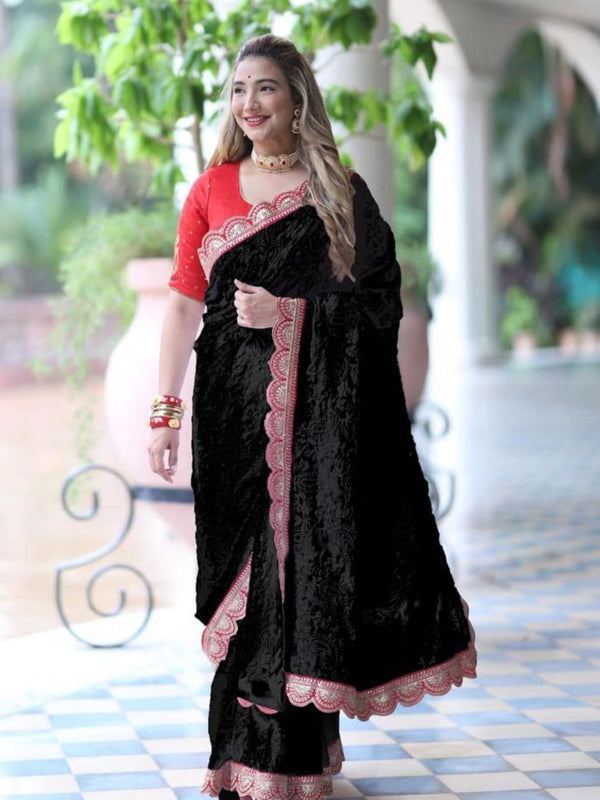
For Everyday Comfort

Frequently Asked Questions About Saree Fabrics
Every common question about saree fabric types, answered honestly and completely.
What is the difference between Banarasi and Kanjivaram saree?+
What is a Patola saree?+
Which saree fabric is best for daily wear?+
Which saree fabric is best for a wedding?+
What is a Bandhani saree?+
Can I exchange my saree if the fabric or fit doesn’t work for me?+
Find Your Perfect Saree Fabric at Snyvia
From the structured richness of Banarasi and Kanjivaram silk to the everyday ease of linen and Muga cotton, the right saree fabric makes every difference in how an outfit feels and lasts. Snyvia’s collection brings genuine fabric traditions to every occasion.
📦 Free shipping across India on every order.