

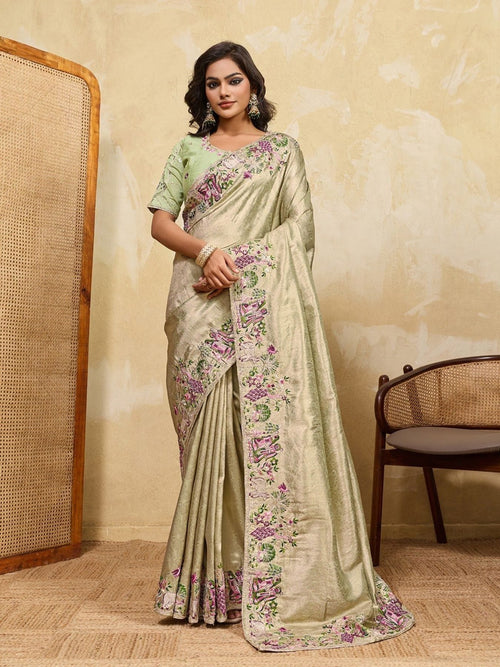
Silk saree is not one fabric but a category covering distinct regional weaving traditions, including Kanjivaram, Banarasi, Mysore, Tussar, Patola, Paithani, Chanderi and Baluchari silk, each with its own weight, pattern and traditional use. Choose based on your region's tradition, the formality of the occasion and how much weight you want to wear. Snyvia's silk sarees start from Rs.2,500. Free shipping. COD. 7-day returns.
"Silk saree" is one of the most searched terms in Indian ethnic wear, and one of the least specific. India has at least eight distinct regional silk weaving traditions, each with its own weight, pattern and cultural association, and treating them as interchangeable leads to real disappointment when the saree that arrives is not what was expected. This guide covers the major regional silk types, how to verify pure silk when buying online, and which type suits which occasion.
8 Regional Silk Saree Types
- Kanjivaram (Tamil Nadu): the heaviest and most formal, with contrast temple borders and gold zari, traditionally the South Indian bridal choice
- Banarasi (Uttar Pradesh): woven in Varanasi, known for brocade patterns and zari woven directly into the fabric, the dominant North Indian bridal and festive silk. See our dedicated Banarasi saree guide for the full detail.
- Mysore silk (Karnataka): lighter and smoother than Kanjivaram, with a natural sheen, more suited to everyday festive wear than the heaviest bridal occasions
- Tussar silk (Bihar, Jharkhand, West Bengal): a wild silk with a natural, slightly textured, matte gold tone, less formal and popular for daytime festive wear
- Patola (Gujarat): a double ikat weave, extremely intricate and expensive to produce, traditionally worn at Gujarati weddings
- Paithani (Maharashtra): known for a peacock motif and contrast pallu, the traditional Maharashtrian bridal and formal choice
- Chanderi silk (Madhya Pradesh): a lightweight silk-cotton blend with a sheer, glossy texture, more suited to daytime festive and semi-formal wear
- Baluchari (West Bengal): known for pictorial pallus depicting mythological scenes, a distinctive and traditional Bengali silk
How to Identify Pure Silk When Buying Online
- Check the stated fibre content: a trustworthy listing states the exact silk type and whether it is pure silk or a silk blend, not a vague description
- Understand the price relationship: pure handwoven silk, especially Kanjivaram or Patola, carries a meaningfully higher price than a silk-blend or art silk saree, so an unusually low price on a claimed pure silk piece is worth questioning
- Art silk is not pure silk: art silk, or artificial silk, is typically a synthetic fibre designed to mimic silk's sheen at a lower price point, and is a legitimate, honestly labelled product in its own right, but is not the same fabric
- When in doubt, buy from a seller with a clear return policy so you can verify the fabric on arrival
Silk Saree by Occasion
- Bridal: Kanjivaram, Banarasi, Patola or Paithani, depending on regional tradition. See our bridal saree guide for the full breakdown.
- Wedding guest: a lighter Kanjivaram, Mysore silk or silk-blend, formal without competing with bridal weight
- Festive family functions: Chanderi or Tussar silk, elegant but lighter for daytime wear
- Formal office or corporate events: a plain or lightly patterned Mysore or Chanderi silk in a muted tone
Caring for a Silk Saree
- Dry clean only, especially for Kanjivaram, Banarasi and Patola silk with heavy zari work
- Store wrapped in muslin cloth, not plastic, in a cool, dry place away from direct sunlight
- Refold along different lines every few months to avoid permanent creases along the same fold
- Air the saree after wearing before storing it away
Frequently Asked Questions
How do I know if a saree is pure silk?+
What is the difference between Kanjivaram and Banarasi silk?+
Is silk saree suitable for everyday wear?+
How should I store a silk saree?+
Shop Silk Sarees at Snyvia
From Rs.2,500. Free shipping across India. COD available. 7-day returns.